

The Power of Water, Thoughts, and Your Body:
What We Can Learn from Dr. Emoto’s Research and Mind-Body Science
Who Was Dr. Masaru Emoto and What Did He Do?
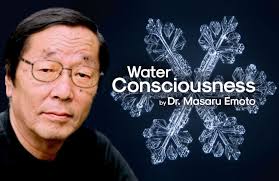
Dr. Masaru Emoto was a Japanese author best known for his ideas about how thoughts, emotions, and intentions might influence water. He took photographs of ice crystals formed from water exposed to various words, music, or intentions, claiming that positive influences created more “beautiful” crystals, while negative ones produced distorted shapes. He also shared a version of a rice experiment, where cooked rice in jars exposed to positive words reportedly fared better over time than rice ignored or spoken to negatively. These ideas have been embraced by many in spiritual and holistic wellness communities.
It’s important to note that Emoto’s research is not accepted as scientifically proven. Scientists criticize it for lacking proper controls, rigorous methodology, and reproducibility. His results are generally considered pseudoscience rather than empirical science.
That said, the metaphor many draw from his work, that our words and mindset matter, does resonate with broader mind-body research.
Short, Credible Videos on the Rice & Water Idea
Dr. Emoto Rice Water Experiment (short overview)

Important Knowledge – Rice Water Experiment / Dr. Emoto Research
Why Water Matters to You
While Emoto’s claims about water aren’t scientifically confirmed, we do know this:
- Water is essential to life. Most adults have around 50–60% of their body weight as water, with variations depending on age, sex, and body composition.
- Water plays a key role in vital functions including nutrient transport, temperature regulation, and cellular processes. Staying hydrated supports overall physiological health.
Because your body depends on water at a molecular level, many people find it helpful as a reminder to treat their bodies and their thoughts with care.
Thoughts, Emotions, and Your Body: What Science Says
Contemporary research in psychoneuroimmunology (the study of how mind and body interact) indicates that:
- Positive mindsets are linked to stronger immune responses and better health outcomes, while chronic stress and negative thinking are associated with suppressed immunity.
- The brain can influence immune system activity—evidence even suggests that mental expectations can affect immune responses such as how effectively the body responds to vaccines. (Harvard Health)
- Persistent negative thinking and stress can elevate stress hormones like cortisol, which in turn can weaken immune function and increase susceptibility to illness.
These findings echo the spirit of Emoto’s message—not because water literally changes structure from emotion, but because your body does respond physiologically to how you think and feel.
Small Daily Shifts: How to Cultivate Positivity
Here are simple ways to bring more positive thinking and energy into everyday life:
- Gratitude practice: Spend 1–2 minutes each morning listing things you’re thankful for.
- Positive self-talk: Notice negative thoughts and gently reframe them into more supportive language.
- Mindful breathing/meditation: Even just a few minutes can reduce stress hormones and calm your nervous system.
- Hydrate consciously: When you drink water, pause and take a moment to appreciate your body—a symbolic way of aligning intention and care.
These small habits build a positive feedback loop that enhances mental clarity, reduces stress, and can support immune health.
How Hypnotherapy Can Help
Hypnotherapy is a guided state of focused attention and relaxation that can help you:
- Change limiting beliefs and negative thought patterns
- Reframe stress responses
- Enhance positive self-talk and motivation
- Strengthen focus on health-supportive habits
Because hypnotherapy works directly with the subconscious mind—the part that often drives habitual thinking, it can be a powerful tool for shifting from negative loops to more empowering narratives. This supports not just emotional well-being, but may also benefit your overall physiological health by reducing chronic stress and bolstering mental resilience. Schedule a Free Consultation today with Mikki Hypnotherapy to see how it can help you on your life’s journey. https://mikkihypnotherapy.com/free_consultation/
In summary:
While Dr. Emoto’s experiments are controversial and not scientifically validated, they can be a meaningful metaphor for the connection between internal states and physical health. Scientific research does support the idea that your thoughts, emotions, and stress levels interact with your immune system and overall wellbeing. Integrating small daily positive shifts, staying hydrated, and exploring mind–body practices like hypnotherapy can help you foster a more supportive and health-enhancing mindset.
